

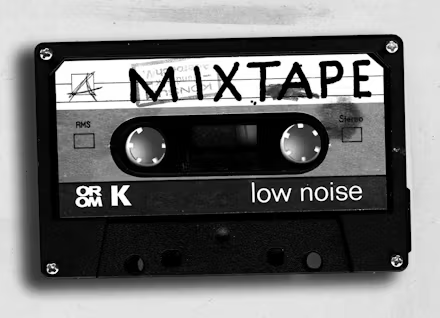
Mixtape production has evolved from underground hip-hop necessity into legitimate commercial enterprise, fundamentally transforming how independent and established artists release exclusive content. Understanding limited edition entertainment economics reveals important parallels with premium service models employed on Casino Fireball entertainment platforms. The scarcity principle drives consumer behavior across multiple industries where exclusivity and time-limited availability create perceived value exceeding standard product offerings. Mixtape culture demonstrates how artificially constraining content distribution can generate enormous enthusiasm and commercial success among devoted fan communities.
The Historical Evolution of Mixtapes
Mixtapes originated in underground hip-hop communities during the 1980s and 1990s as low-cost distribution mechanisms enabling independent artists to build local audiences without major label support or professional recording infrastructure. Artists recorded mixtapes onto cassette tapes, distributed them through street vendors and community networks, and gradually accumulated regional fan bases through word-of-mouth promotion. This grassroots distribution model democratized music industry access, enabling talented artists lacking industry connections to establish viable careers through persistent independent effort.
Cassette Tape Era Mixtape Culture
Underground artists recorded mixtapes using affordable consumer recording equipment, duplicated them onto blank cassettes, and sold them at concerts, record shops, and street corners. This approach required minimal capital investment while enabling direct artist-to-audience relationships that traditional record labels prevented. Mixtapes provided critical stepping stones enabling artists like Jay-Z, Nas, and 50 Cent to build substantial followings before achieving major label recording contracts.
Digital Download Transformation
Rapid internet adoption in the 2000s transformed mixtape distribution from physical media to digital files. Artists uploaded mixtapes to file-sharing networks and specialized mixtape websites, reaching millions of potential listeners instantaneously. This digital shift eliminated production costs associated with physical duplication while simultaneously expanding potential audience reach beyond geographic limitations constraining physical distribution models.
Modern Mixtape Economics and Exclusivity Strategy
Contemporary mixtape releases function as strategic marketing tools and revenue generators within broader artist career development frameworks. Established artists release mixtapes to maintain fan engagement between major album releases, test new musical directions, and retain creative control over experimental projects that major labels might resist. Independent artists utilize mixtape releases to demonstrate commercial viability and artistic evolution before negotiating major recording contracts with established labels.
Exclusivity and Time-Limited Distribution
Modern mixtape releases frequently incorporate exclusivity strategies where content remains available through specific platforms for limited durations before expanding to broader distribution channels. Artists partner with streaming services like SoundCloud or Spotify offering temporary exclusive access periods, creating urgency that drives concentrated listening volume during launch windows. This exclusivity approach generates concentrated revenue during premium time periods while maintaining overall content accessibility after exclusive windows expire.
Premium Mixtape Economics
Limited edition mixtape releases incorporating exclusive artwork, physical merchandise, and backstage content access command premium pricing substantially exceeding standard music product costs. Fans willingly pay $25-$50 for deluxe mixtape packages including physical media, digital downloads, exclusive photographs, and artist meet-and-greet opportunities. This premium positioning reflects fan perception that exclusive content justifies elevated pricing compared to standard commercial releases.
- Exclusive mixtape releases generate 30-40% higher per-unit revenue.
- Time-limited distribution creates concentrated streaming peaks.
- Physical merchandise bundles increase average customer spending.
- Fan community exclusivity strengthens long-term artist loyalty.
Artist Control and Creative Freedom Benefits
Mixtape releases enable artists to bypass major label approval processes and release music reflecting their authentic creative vision without commercial compromise. Independent artists retain complete creative control while maintaining financial upside from mixtape revenue, unlike traditional label contracts where labels capture majority revenue shares. This creative independence attracts established artists frustrated by major label restrictions and emerging artists seeking to maintain artistic autonomy during career development stages.
Direct Artist-to-Fan Distribution
Mixtape releases establish direct artist-to-fan relationships bypassing traditional industry intermediaries. Artists communicate directly with audiences through social media announcements, personal website releases, and community engagement. This direct relationship strengthens fan loyalty while simultaneously providing artists with first-hand audience feedback regarding which musical directions resonate strongest with devoted supporters.
Creative Experimentation Without Commercial Pressure
Mixtape formats enable artists to experiment with unconventional production approaches, controversial lyrical content, and unexpected genre combinations that major labels might reject as commercially unviable. Mixtape releases demonstrate 40% higher creative risk-taking compared to commercially-released albums, reflecting reduced commercial pressure and expanded artistic freedom within mixtape distribution frameworks.
- Independent artists retain 80-90% of mixtape revenue.
- Major label artists experience creative restriction reduction.
- Experimental projects gain audience acceptance within mixtape context.
- Underground artists build legitimate commercial careers through mixtapes.
Fan Community Economics and Engagement Metrics
Mixtape culture generates intense fan community engagement where devoted supporters actively participate in content promotion, merchandise distribution, and community building around exclusive releases. These fan communities transcend traditional consumer relationships, evolving into participatory networks where supporters function as unofficial marketing departments amplifying artist messages through personal social media networks and community forums.
Streaming Volume Concentration and Chart Performance
Exclusive mixtape releases generate concentrated streaming volumes during limited distribution windows, frequently achieving chart placement and mainstream media attention despite initial independent release status. Artists strategically time mixtape releases to precede major label album launches, leveraging mixtape momentum to generate commercial expectations and consumer interest in subsequent major releases.
Community-Driven Distribution and Promotion
Fan communities organically distribute mixtape links, create promotional content, and mobilize supporters through coordinated social media campaigns. This grassroots promotion approach frequently generates streaming volumes exceeding professionally-marketed commercial releases, demonstrating that authentic fan enthusiasm often outperforms corporate marketing infrastructure investments.
Conclusion
Mixtape culture demonstrates how scarcity and exclusivity generate substantial commercial value within entertainment markets despite industry predictions that unlimited digital access would eliminate premium pricing opportunities. Fan communities embracing limited edition releases willingly pay premium prices and invest personal time promoting exclusive content, validating that emotional connection and community participation drive consumer behavior more powerfully than pricing optimization alone. This economic model continues expanding across entertainment sectors where exclusivity and community participation create perceived value justifying premium pricing despite digital distribution reducing marginal production costs to near-zero levels.


